Tiger spotted near Rajbagh Lake in Zone 3 — one of the best zones for tiger sighting in Ranthambore National Park

Expert Safari Zone Guide • Updated June 2026

Best Zones in Ranthambore for Tiger Sighting

Zone 3, 4 and 6 consistently rank as the top zones — but which one suits you best, and when? Your complete expert guide is below.

Which Zone is Best for Tiger Sighting in Ranthambore?

If you are planning a Ranthambore safari and want to know which zone gives the best chance of spotting a tiger, the direct answer is: Zone 3, Zone 4, and Zone 6 currently offer the strongest tiger sighting opportunities, with Zone 6 now performing at a level comparable to core zones.

Ranthambore National Park is divided into 10 safari zones — Core Zones (1 to 5) and Buffer Zones (6 to 10). While Zone 6 is officially part of the buffer circuit, it now delivers tiger movement and sighting opportunities at a level comparable to core zones. Zone allocation is managed by the forest department through a computerised system. Visitors can request their preferred zone through a safari operator or booking agency, but final confirmation always depends on availability and forest department approval. Early booking improves the chances of getting a preferred zone.

Below you will find a detailed breakdown of every zone, a Zone 3 vs Zone 4 vs Zone 6 comparison, season-wise recommendations, a Gypsy vs Canter guide, expert tips, and answers to the most frequently asked questions about Ranthambore safari zones.
Quick Answer: Best Safari Zones in Ranthambore at a Glance

  • Overall Best Zone: Zone 3 — Rajbagh Lake area, highest tiger sighting probability
  • Best Zone in Summer: Zone 3 and Zone 4 — tigers frequent waterbodies in the heat
  • Best Zone in Winter: Zone 1, 2 and 3 — thin vegetation dramatically improves visibility
  • Best Emerging Core-Level Zone: Zone 6 (Kundal) — although officially part of the buffer circuit, it now performs at par with core zones due to consistently high tiger movement.
  • Best Vehicle: Gypsy (jeep) over Canter for tiger sighting priority

Core Zones (Zone 1 to 5) — Prime Tiger Territory

The core zones are the heart of Ranthambore National Park and offer the highest probability of tiger sightings. Resident tigers have well-established territories here, and these zones provide the most rewarding wildlife viewing experiences in the park.

Zone 1

Core Zone

Zone 1 in Ranthambore is a core zone covering the area around Jogi Mahal and the base of Ranthambore Fort. It has a strong history of tiger sightings and is known for its mix of dense forest and open grassland, giving safari vehicles good visibility in multiple directions.

Tiger Probability: High

Zone 2

Core Zone

Zone 2 lies close to Padam Talao, one of the most scenic lakes in Ranthambore National Park. This zone offers a high tiger sighting probability, especially in the warmer months when tigers visit the lake to drink water and cool off during the day.

Tiger Probability: High

Zone 3

Core Zone

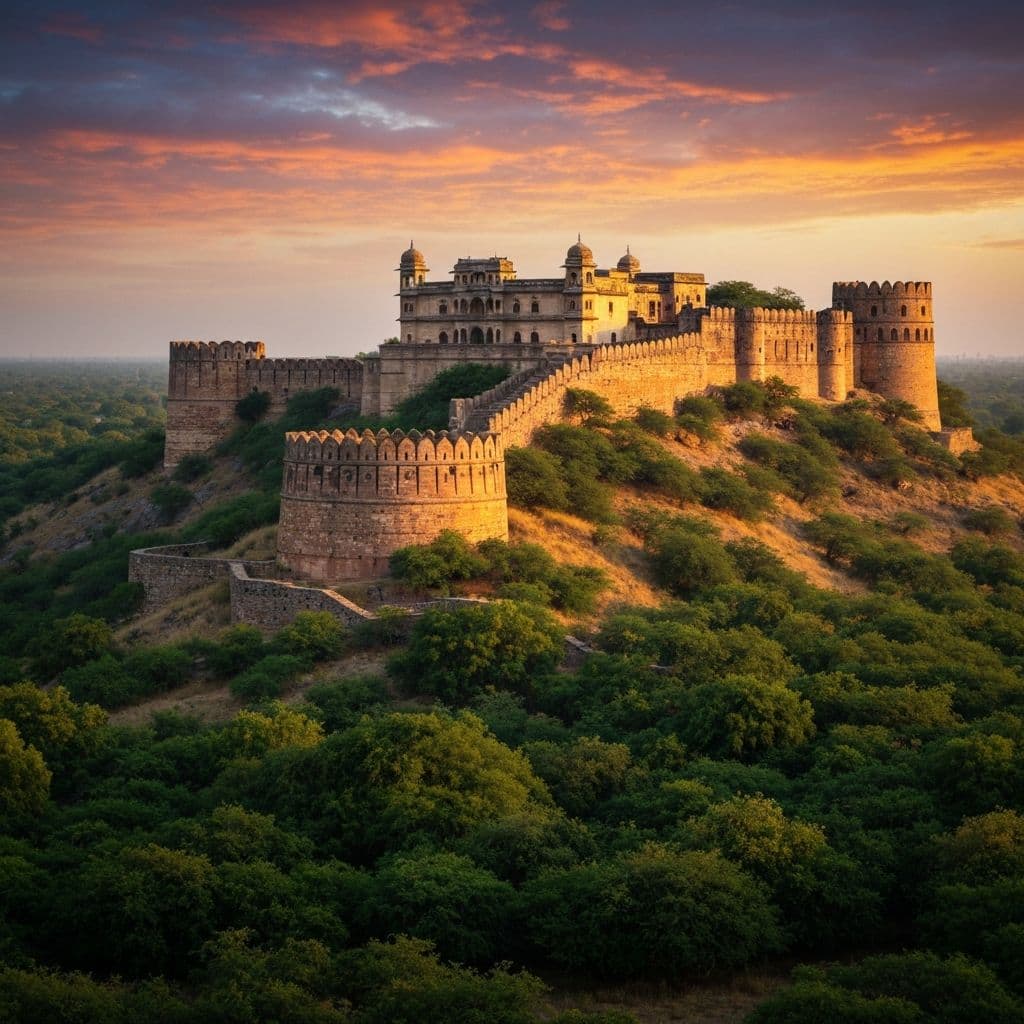
Zone 3 covers the iconic Rajbagh Lake and Padam Lake area, directly beneath the ramparts of Ranthambore Fort. It consistently records the highest tiger sighting rate in the park and is considered the top zone for both first-time visitors and wildlife photographers.

Tiger Probability: High

Zone 4

Core Zone

Zone 4 spans the Lahpur and Kachida Valley area and is known for dense forest cover and diverse wildlife. It is home to well-known resident tigers, including Arrowhead and her cubs, and offers excellent year-round tiger activity for repeat visitors.

Tiger Probability: Medium-High

Zone 5

Core Zone

Zone 5 features scenic, hilly landscapes and rocky terrain that make it visually distinct from the lake-based zones. Tiger sightings are slightly less frequent than Zone 3 or Zone 4, but the zone is well regarded for a quieter, more scenic safari experience.

Tiger Probability: Medium-High

Zone 3 vs Zone 4 vs Zone 6 — Which is the Best Zone in Ranthambore?

These three zones receive the most searches and questions from visitors planning a Ranthambore safari. Here is a detailed side-by-side comparison to help you understand what each zone offers and which one suits your priorities best.

Zone 3

Top Pick

Rajbagh Lake & Padam Lake

  • ✅ Highest tiger sighting rate in the park
  • ✅ Open lake areas — ideal for photography
  • ✅ Scenic Ranthambore Fort views
  • ✅ Best performance in summer (April to June)
  • ⚠️ Very popular — book well in advance

Best For: First-time visitors and wildlife photographers

Zone 4

Strong Choice

Lahpur & Kachida Valley

  • ✅ Dense forest — authentic wild experience
  • ✅ Home to Arrowhead tigress and her cubs
  • ✅ Excellent year-round tiger activity
  • ✅ Less crowded than Zone 3
  • ⚠️ Thick cover can make sightings brief

Best For: Repeat visitors and serious wildlife enthusiasts

Zone 6

Best Buffer

Kundal Area

  • ✅ Strong and growing tiger activity
  • ✅ Fewer tourists — peaceful safari experience
  • ✅ Excellent leopard and sloth bear sightings
  • ✅ More permit slots available
  • ✅ Now considered one of the strongest tiger movement zones, often performing at core-zone level

Best For: High tiger sighting chances with less crowd and a premium safari experience

Buffer Zones (Zone 6 to 10) — Underrated Safari Experiences

Do not dismiss the buffer zones as a consolation. Zone 6 and Zone 7 have seen a significant rise in tiger sightings in recent years. These zones have fewer tourists, a more peaceful atmosphere, and are outstanding for leopard, sloth bear, and birdlife.

Zone 6

Buffer Zone

Zone 6, known as the Kundal area, is officially a buffer zone but now performs at a level comparable to the core zones. Tiger movement here has increased significantly in recent years, and it offers a peaceful safari experience with fewer tourists and strong permit availability.

Tiger Probability: Medium

Zone 7

Buffer Zone

Zone 7 is a buffer zone with open grasslands and a more spread-out terrain compared to the core zones. It is a good option for spotting sloth bears, deer, and birdlife alongside occasional tiger movement, and tends to be less crowded during peak season.

Tiger Probability: Medium

Zone 8

Buffer Zone

Zone 8 is a buffer zone known for consistent leopard sightings in addition to tiger activity. The terrain is a mix of rocky outcrops and scrub forest, making it a good choice for visitors interested in a broader wildlife experience beyond tigers alone.

Tiger Probability: Medium

Zone 9

Buffer Zone

Zone 9 offers peaceful, less-visited terrain with a lower density of safari vehicles compared to the core zones. While tiger sighting probability is comparatively lower, it is a good option for visitors who prioritise a calmer, less crowded safari experience.

Tiger Probability: Low-Medium

Zone 10

Buffer Zone

Zone 10 is a buffer zone known for its diverse birdlife and varied terrain, making it a strong choice for birdwatchers and nature photographers. Tiger sightings are less frequent here, but the zone offers a rewarding overall wildlife experience with fewer crowds.

Tiger Probability: Low-Medium

Season-Wise Best Zone in Ranthambore for Tiger Sighting

Tiger sighting probability changes with the seasons. Knowing which zone performs best at the time of your visit can significantly improve your safari success rate.

Summer (April to June)

Best Zones: Zone 3 and Zone 4

In summer, tigers visit Rajbagh Lake, Padam Lake and Malik Talao regularly to drink and cool down. The open terrain around these waterbodies makes sightings much easier. This is statistically the peak season for tiger sightings in Ranthambore.

Pro Tip: Always prioritise morning safaris in summer — temperatures rise sharply by mid-morning and tiger activity reduces significantly after 10 AM.

Post-Monsoon (October to November)

Best Zones: Zone 1, 2 and 3

The park reopens in October after the monsoon closure. Vegetation is lush and green, tigers are active and well-rested, and the park feels completely refreshed. This is an underrated and deeply rewarding time to visit Ranthambore.

Pro Tip: Book safaris in early October as soon as booking opens — slots fill up very quickly immediately after the park reopens.

Winter (November to February)

Best Zones: Zone 1, 2, 3 and 6

Vegetation thins out considerably in winter, dramatically improving visibility into the forest. Tigers move to open areas to bask in sunlight, making them easier to spot. Golden morning light also makes winter the best season for wildlife photography.

Pro Tip: Carry a warm layer for early morning safaris — temperatures in Ranthambore can drop to 5 to 10 degrees Celsius before sunrise between December and January.

Spring (March)

Best Zones: Zone 3, 4 and 5

March brings a beautiful mix of conditions — flowers bloom across the park, water levels in lakes begin to drop, and tigers start frequenting waterholes more regularly. Photography conditions are excellent with warm, soft light.

Pro Tip: The window between late March and early April is often called the sweet spot — not too hot yet, and tiger activity near water is already picking up strongly.

Gypsy vs Canter — Which Vehicle is Better for Tiger Sighting?

Your choice of safari vehicle directly affects your tiger sighting probability. Here is an honest, side-by-side comparison to help you decide.

Gypsy (Jeep Safari)

  • ✅ 6 seats — intimate and personal experience
  • ✅ Faster and far more manoeuvrable
  • ✅ Can access deeper, narrower forest trails
  • ✅ Significantly better for wildlife photography
  • ✅ Higher tiger sighting success rate
  • ⚠️ Higher cost — approximately 3,000 to 5,000 rupees per safari

Recommended for: Visitors whose top priority is seeing a tiger

Canter Safari

  • ✅ 20 seats — great for groups and families
  • ✅ Budget-friendly — approximately 1,200 to 1,800 rupees per seat
  • ✅ Elevated open seating with wide panoramic views
  • ✅ Good option for families with young children
  • ⚠️ Slower and generates more noise in the forest
  • ⚠️ Cannot access certain narrower forest trails

Recommended for: Budget travellers and large groups

Want a deeper comparison? Read the complete Jeep Safari Guide or explore the Canter Safari Guide.

Expert Tips to Maximise Your Tiger Sighting Chances

1

Book Multiple Safaris

A single safari never guarantees a tiger sighting. Booking two to three safaris across different slots significantly improves your odds and increases your chances of experiencing different zones. Morning and evening slots both have distinct advantages.

2

Prioritise Morning Safaris

Morning safaris starting around 6 AM consistently yield higher tiger activity. In summer, tigers are most active near waterbodies in the early hours. The cooler temperatures also make for a more comfortable and productive safari overall.

3

Accept Your Zone and Make the Most of It

Zone allocation is by lottery — you cannot control which zone you receive. If you are assigned Zone 1 or Zone 2, do not be disheartened. Every zone in Ranthambore has tigers and remarkable wildlife. Listen closely to your naturalist guide — they know each zone intimately.

4

Stay Silent During the Safari

Loud noise and sudden movements cause tigers to retreat deep into the forest. Maintaining silence, keeping your camera ready, and following your guide's instructions are the most effective habits for maximising wildlife sightings on any safari.

Frequently Asked Questions About Ranthambore Safari Zones

Which is the best zone in Ranthambore for tiger sighting?

Zone 3, Zone 4, and Zone 6 are consistently the best zones for tiger sighting in Ranthambore. Zone 3 covers the iconic Rajbagh and Padam Lake areas where tigers are frequently spotted near water. Zone 4 is home to famous tigers like Arrowhead and offers dense forest cover. Zone 6 (Kundal) is the top buffer zone with excellent recent tiger activity.

Can I choose my preferred zone in Ranthambore?

Yes, visitors can request their preferred zone while booking through a safari operator, travel agency, or tour expert. However, the final zone allocation always depends on availability and forest department confirmation. While there is no guarantee, early booking significantly improves the chances of getting your preferred zone.

Is Zone 3 or Zone 4 better for tiger sighting in Ranthambore?

Both zones are excellent for tiger sighting. Zone 3 is better for open sightings near lakes and is ideal in summer (April to June) when tigers come to water. Zone 4 has denser forest and is great year-round, especially for seeing tigers like Arrowhead and her cubs. For open, photogenic sightings choose Zone 3. For a wilder and more immersive experience, Zone 4 is preferred.

Which is the best zone in Ranthambore in summer?

In summer (April to June), Zone 3 and Zone 4 are the best zones. Tigers visit Rajbagh Lake and Padam Lake frequently during this season to cool down. Early morning safaris in these zones give the highest tiger sighting probability of the year.

Which is the best zone in Ranthambore in winter?

In winter (November to February), Zones 1, 2, 3 and 6 are excellent. Vegetation thins out, improving visibility deep into the jungle. Tigers come to open areas to bask in the sun, making sightings easier and photography conditions ideal.

What happens after Ranthambore reopens post-monsoon?

Ranthambore National Park typically closes during peak monsoon (July to September) and reopens in October. Post-monsoon, Zones 1, 2 and 3 become lush and vibrant. Tiger activity picks up quickly after reopening, making October and November excellent months to visit.

Is a Gypsy or Canter better for tiger sighting in Ranthambore?

A Gypsy (jeep) is better for tiger sighting. It seats only 6 people, moves faster, and can access narrower forest trails where canters cannot go. For serious wildlife photography or maximum tiger sighting chances, always book a Gypsy. Canters are a good budget-friendly option for families and groups.

Are buffer zones worth visiting in Ranthambore?

Yes, absolutely. Zone 6 (Kundal), Zone 7 and Zone 10 are excellent buffer zones. While tiger sighting frequency is slightly lower than core zones, these areas offer great leopard, sloth bear and bird sightings. Zone 6 in particular has reported strong tiger activity in recent years and is highly recommended.

Ready to Book Your Ranthambore Safari?

Safari permits are limited — especially for Zone 3 and Zone 4. The earlier you book, the better your chances of securing a prime zone and a morning slot.

Last Updated: June 2026  |  Verified by Ranthambore Safari Experts

Chat on WhatsApp